Unraveling the Allure of Katana Swords for Collectors in 2026
As we step into 2026, the fascination surrounding katana swords continues to captivate a diverse range of collectors and enthusiasts. These iconic weapons, steeped in rich history and exquisite craftsmanship, embody not just a tool for combat but also a profound cultural symbol. The katana’s unique design and the artistry involved in its creation have made it a coveted piece for many, whether they are martial arts practitioners or history buffs. This article delves into the various reasons why katana swords hold a revered status among collectors today.
The appeal of katana swords transcends mere aesthetics; they represent centuries of tradition and mastery in Japanese sword-making. Each katana is a reflection of the skill and dedication of its craftsman, often taking years to perfect. With an increasing number of collectors seeking authenticity and historical relevance, the demand for genuine katana swords has soared. This growing interest is not only driven by the desire for ownership but also by an appreciation for the stories these swords carry with them.
Moreover, the katana's role in popular culture has further fueled its desirability. Films, anime, and video games featuring these swords have introduced them to new audiences, igniting passions that might not have existed otherwise. As collectors look to expand their collections, understanding the various factors that contribute to a katana's value becomes essential. This article will explore the historical significance, craftsmanship, market trends, and the emotional connection many collectors share with these remarkable weapons.
The Historical Significance of the Katana
The katana is more than just a weapon; it is a symbol of Japanese culture and history. Originating during the Kamakura period (1185-1333), the katana evolved into the weapon of choice for the samurai class, representing their honor and status. The sword's curved blade, distinctive tsuba (handguard), and the intricate hilt wrapping are not merely functional but also deeply symbolic. Collectors are often drawn to the stories behind these swords, each representing a unique narrative of the samurai’s life and the historical context in which they were forged.
Additionally, the craftsmanship involved in creating a katana is a meticulous process that reflects centuries of tradition. Master swordsmiths, known as “tosho,” use techniques passed down through generations to craft each blade. The process includes folding the steel multiple times to create layers, enhancing the blade's strength and beauty. This labor-intensive method not only results in a superior weapon but also creates a work of art that is highly sought after by collectors. Understanding these historical and cultural contexts adds depth to a collector's appreciation for their katana.
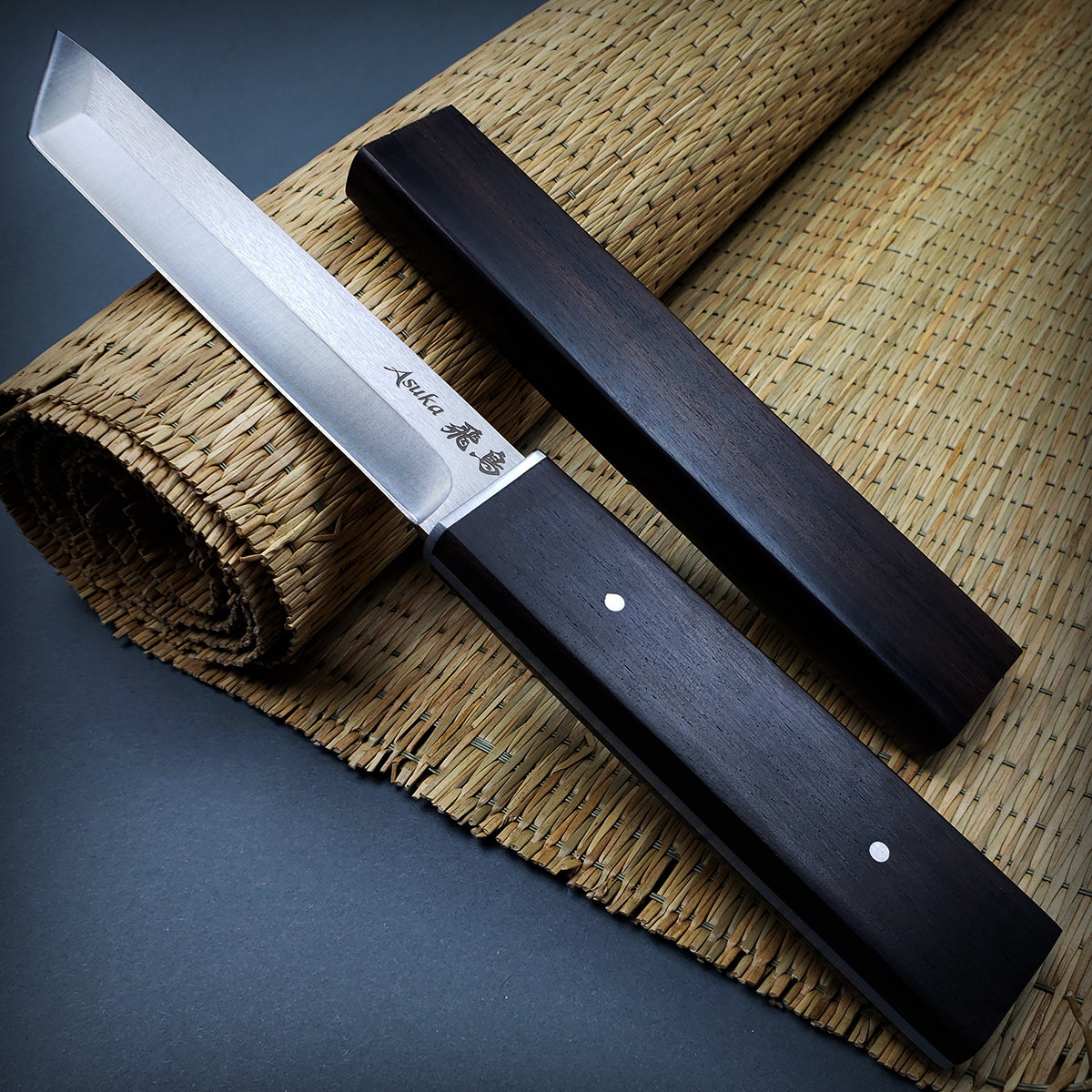
The significance of the katana extends beyond its utility on the battlefield. It is often viewed as a personal extension of the samurai, embodying their spirit and resolve. Collectors who possess these swords often feel a connection to the warriors of the past, further intensifying their desire to own a piece of history. As the appreciation for traditional craftsmanship and historical significance grows, so does the market for authentic katana swords, making them a valuable addition to any collection.
Craftsmanship: The Soul of the Katana
The craftsmanship of a katana is a vital aspect that collectors deeply admire. Each katana is a product of skilled artisans who dedicate their lives to mastering the art of sword-making. The forging process involves several intricate steps, including tamahagane production, shaping, and polishing. The meticulous attention to detail in each stage ensures that the final product is not only functional but also aesthetically pleasing. The distinctiveness of a katana often lies in its blade patterns, known as “hamon,” which are developed during the quenching process.
The selection of materials also plays a crucial role in the quality of a katana. High-carbon steel is typically used for the blade, providing a perfect balance of hardness and flexibility. The combination of different steels allows for the creation of blades that can bend without breaking, a vital characteristic for combat. Collectors are keenly aware of the materials used and often seek swords made from traditional methods that honor the legacy of Japanese swordsmiths. Musashi Katana Store
Market Trends Influencing Katana Collecting
The katana market is influenced by various trends that collectors should be aware of. As global interest in Japanese culture continues to rise, more individuals are entering the realm of sword collecting. This influx has led to increased prices for authentic swords, especially those with verifiable histories. Moreover, the rise of online marketplaces has made it easier for collectors to access a wider range of swords, albeit with the risk of encountering replicas or forgeries.

Another trend is the growing emphasis on sustainability and authenticity in the production of katana swords. Many collectors are now looking for swords that are not only made using traditional methods but also sourced from reputable craftsmen who adhere to ethical practices. This shift reflects a broader societal movement towards valuing authenticity and quality over mass production, further enhancing the katana's allure as a collector's item.
The Emotional Connection to Katana Swords
For many collectors, the emotional connection to katana swords is profound. Owning a piece of history that has survived the test of time brings a sense of pride and responsibility. Collectors often view their swords as guardians of traditions and stories waiting to be shared. This emotional attachment is a driving force behind the desire to care for and preserve these weapons for future generations.
The practice of sword maintenance also fosters a deeper bond between the collector and their katana. Regular cleaning, oiling, and polishing are necessary to maintain the blade's integrity and beauty. This hands-on involvement not only ensures the sword remains in optimal condition but also creates a ritual that enhances the collector’s appreciation for the weapon. As collectors invest time and care into their swords, they forge a relationship that transcends mere ownership.
Modern Collecting Practices
Modern collecting practices have evolved significantly, reflecting changes in technology and consumer behavior. Today’s collectors are more informed than ever, utilizing online resources and communities to share knowledge and insights about katana swords. Online forums and social media platforms have become invaluable tools for connecting with other enthusiasts, allowing for the exchange of information regarding authenticity, pricing, and care techniques.
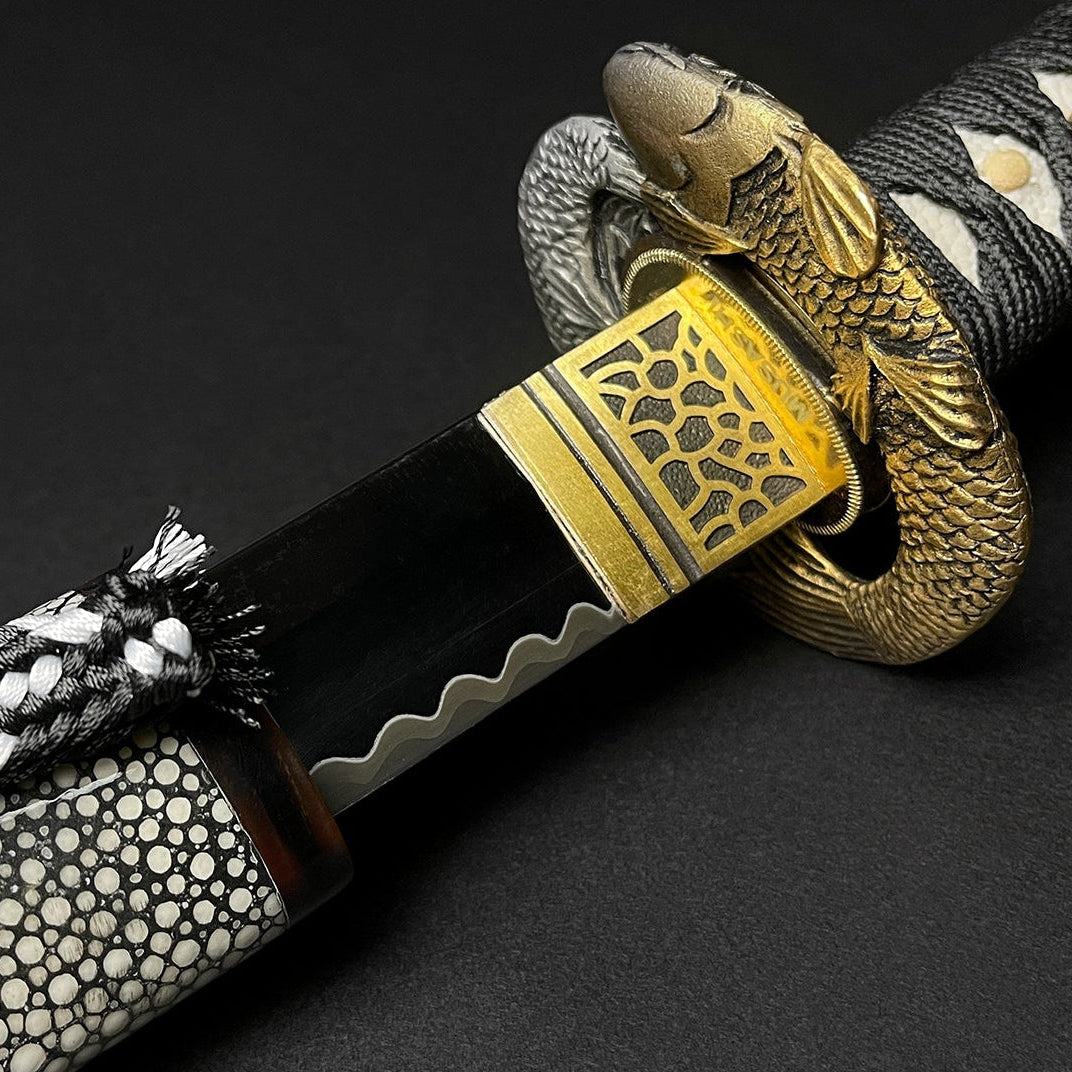
Furthermore, the rise of digital marketplaces has transformed how collectors acquire their swords. While traditional avenues such as auctions and specialty shops still hold value, online platforms provide a wider selection and often more competitive pricing. However, this convenience comes with the challenge of ensuring authenticity. Savvy collectors are now more cautious and rely on trusted sources and detailed provenance to make informed purchases.
Building a Sustainable Collection
Building a sustainable katana collection involves careful planning and consideration. Collectors should start by defining their specific interests, whether in historical significance, craftsmanship, or aesthetic appeal. This focus allows for a more cohesive collection that reflects personal values and passions. Additionally, engaging with the community and attending workshops or exhibitions can enhance knowledge and provide opportunities to acquire unique pieces.
Moreover, it's essential to consider the long-term implications of collecting. Proper maintenance and storage of katana swords are crucial for preserving their value and condition. Collectors should invest in appropriate display cases and climate-controlled environments to protect their swords from damage. By prioritizing sustainability and care, collectors can ensure their katana swords remain cherished pieces for years to come. website musashiswords.com Musashi Swords
Networking and Community Engagement
Networking within the katana community can greatly enhance a collector's experience. Engaging with fellow enthusiasts through local clubs, online forums, and social media can provide valuable insights into the latest trends and practices in collecting. These connections often lead to opportunities for collaboration, such as joint exhibitions or workshops, which can further deepen one’s understanding of katana history and craftsmanship.
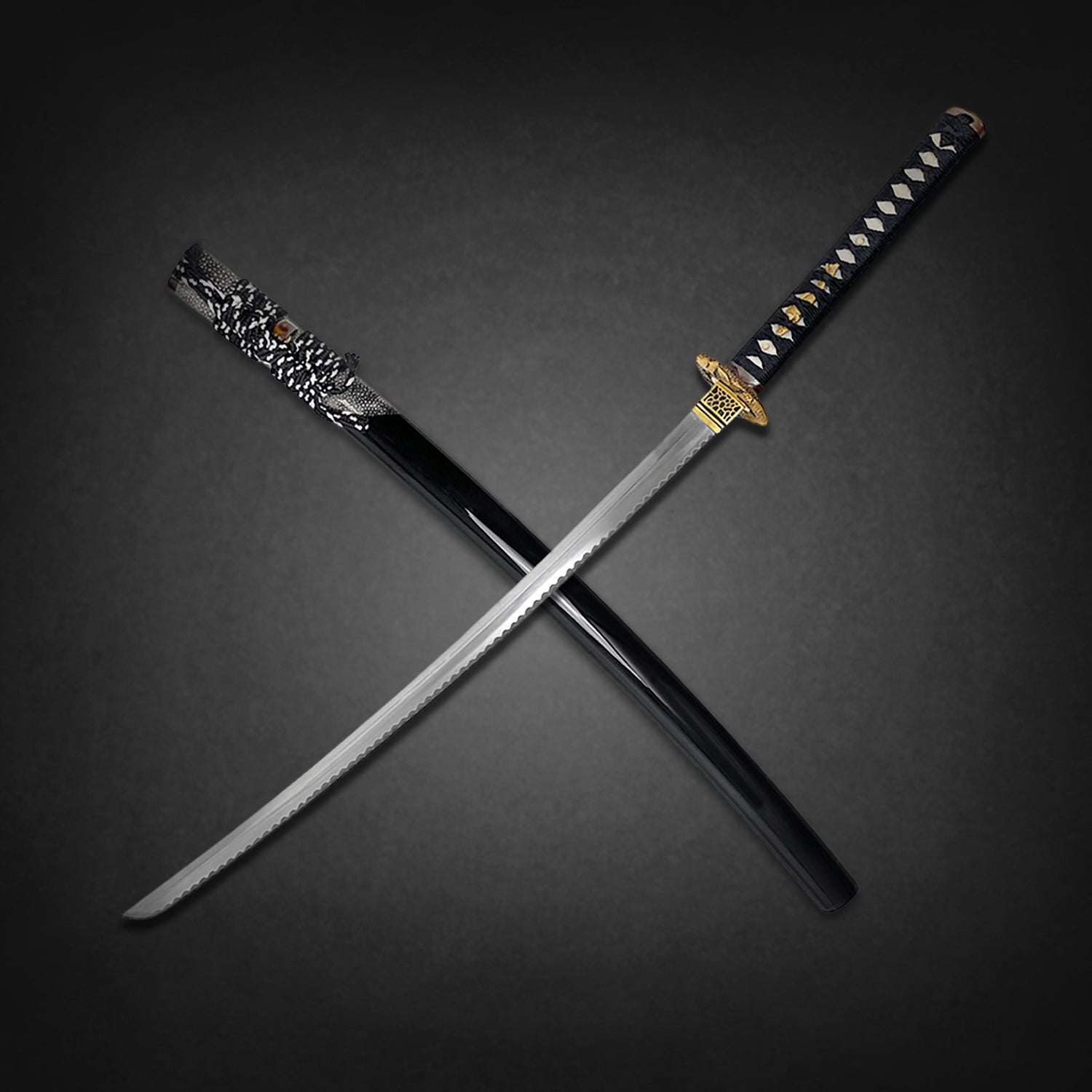
Additionally, attending events such as sword shows and martial arts competitions can provide firsthand exposure to various katana styles and their makers. These experiences allow collectors to appreciate the nuances of different swords and meet reputable dealers and craftsmen. By actively participating in the community, collectors can expand their knowledge and appreciation for katana swords, enriching their collecting journey.
Pros and Cons of Collecting Katana Swords
- Pros:
- The cultural significance of katana swords adds depth to any collection, making them more than just decorative items.
- Owning a katana often comes with the pride of preservation, as collectors contribute to maintaining traditional craftsmanship.
- The market for authentic katana swords can provide appreciation in value, making them a potentially lucrative investment.
- Collecting fosters a sense of community among enthusiasts, offering opportunities for networking and learning.
- Cons:
- Authentic katana swords can be expensive to acquire, making it a significant financial commitment for collectors.
- The risk of encountering replicas or forgeries in the market can complicate the buying process.
- Maintaining a katana requires regular care and expertise, which may be daunting for new collectors.
Weighing the pros and cons of katana collecting is essential for anyone considering entering this fascinating world. While the cultural significance and potential investment value are compelling reasons to start a collection, the financial commitment and need for ongoing care should not be overlooked. By understanding both the benefits and challenges, collectors can make informed decisions that align with their passions and resources.
Frequently Asked Questions
- What should I look for when buying a katana?
When purchasing a katana, it's crucial to examine the blade for authenticity, checking for signs of craftsmanship such as hamon patterns and proper fittings. Additionally, inquire about the sword's provenance to ensure its history is well-documented. It's wise to buy from reputable dealers who specialize in authentic katana swords, as they can provide valuable information about the sword's background and maintenance needs.
- How do I maintain my katana sword?
Maintaining a katana involves regular cleaning and oiling to prevent rust and degradation. Use a soft cloth to wipe the blade after handling and apply a thin layer of oil specifically designed for sword maintenance. Store the katana in a protective case away from moisture and direct sunlight to preserve its quality and appearance, ensuring it remains a cherished part of your collection for years to come.
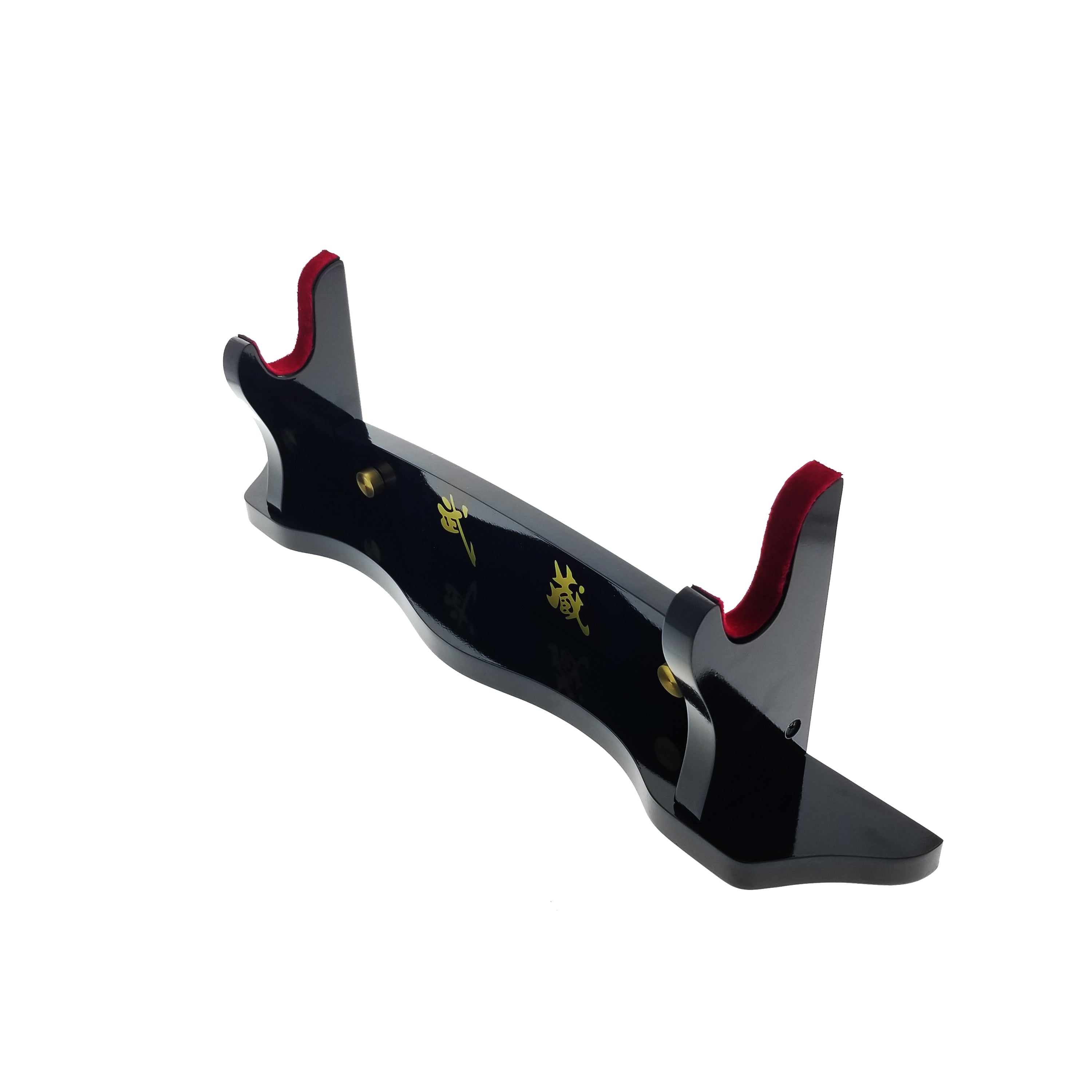
- Are katana swords a good investment?
Katana swords can be an excellent investment, especially those with historical significance and craftsmanship. As demand for authentic swords continues to rise, well-maintained pieces can appreciate in value over time. However, it's essential to conduct thorough research and seek expert advice before investing, as the market can be unpredictable and requires careful consideration.
Conclusion
As we explore the reasons behind the enduring appeal of katana swords, it becomes evident that these blades are not just pieces of metal but embodiments of history, craftsmanship, and culture. Collectors are drawn to the rich narratives and the emotional connections that these swords evoke, making them a unique addition to any collection. The ongoing interest in authentic katana swords reflects a broader appreciation for heritage and artistry, ensuring that these remarkable weapons will continue to captivate enthusiasts for generations to come. Whether for investment, personal enjoyment, or as a means of preserving tradition, the katana embodies a timeless allure that resonates with collectors worldwide.


